
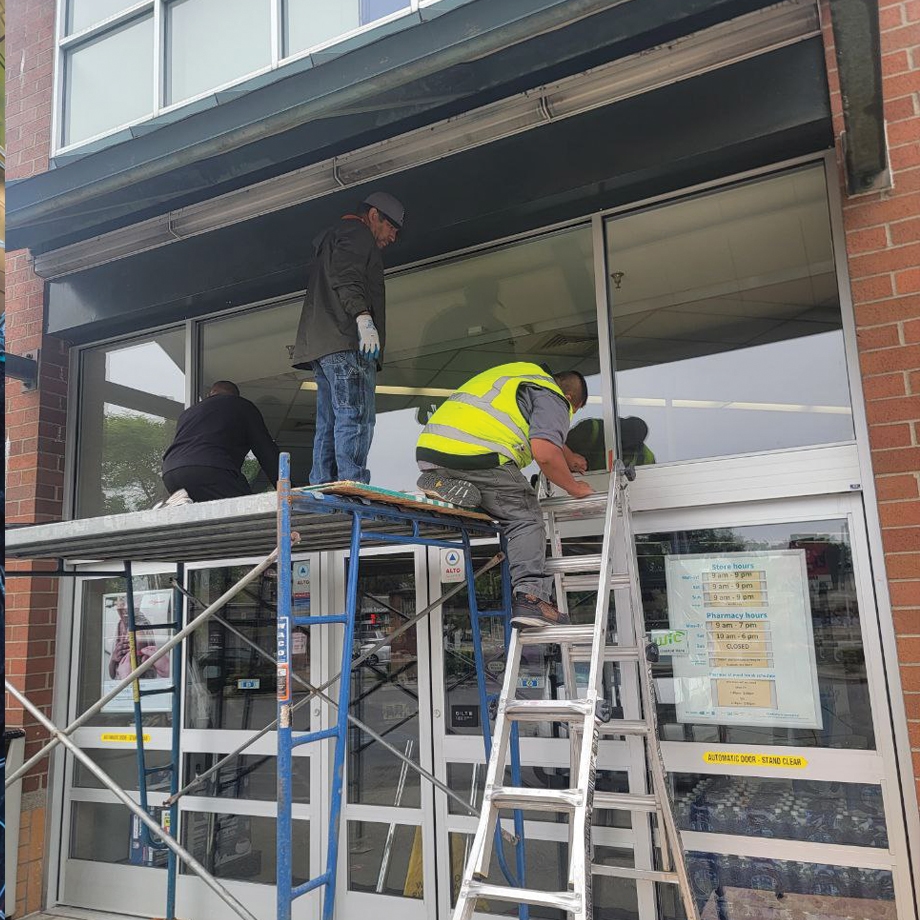
Window repair is one of those things that’s easy to put off — until the Pacific Northwest rains show up and suddenly a small problem becomes a soggy, expensive mess. August is actually the perfect time to take a close look at your windows, because once the fall weather rolls in across Seattle, Renton, Auburn, Bellevue, Kent, and surrounding areas, any existing weaknesses in your glass or frames are going to make themselves known in the worst possible way. Here are five warning signs that your windows are trying to tell you something before the season changes.
Drafts or Cold Spots Near the Glass
Run your hand along the edges of your windows on a warm day. Feel any air movement? That draft isn’t just uncomfortable; it means your window seal has failed or your frame has shifted enough to let outside air in. During a mild August that might not seem urgent, but when the fall wind kicks up along the Puget Sound corridor, that same gap becomes a real source of heat loss. If you notice cold spots near windows in multiple rooms, it’s worth having someone take a look before you’re cranking up the heat to compensate.
Fogging or Condensation Between the Panes
This one is surprisingly common and often misunderstood. A little condensation on the inside surface of your window on a cold morning is normal. But if you see fog, haze, or moisture trapped between the panes of a double or triple-pane window, the seal between those panes has broken down. The insulating gas that was doing the heavy lifting has escaped, and the window is no longer performing the way it should. We actually offer fogged glass restoration as a service, and in many cases it’s possible to address this without a full window replacement. Worth knowing before you assume the worst.
Visible Damage to the Frame or Glazing
Cracked frames, chipped glazing, gaps in the caulk line, rotting wood around the sash — any of these open the door (quite literally) to water intrusion. Seattle and the surrounding communities get serious rainfall from October through spring, and water has a way of finding every small weakness in a structure. A gap that looks minor in August can allow enough moisture in over a wet fall and winter to cause mold, wood rot, and damage to your interior walls. Catching frame damage now, while the weather is still cooperative, makes the repair faster and far less disruptive.
Difficulty Opening, Closing, or Locking Windows
Windows that stick, won’t lock properly, or feel warped when you try to open them are more than just annoying. A window that doesn’t seat correctly in its frame isn’t creating a proper seal. In a place like the greater Seattle area, where strong fall windstorms are a regular occurrence, a window that can’t lock securely is also a safety concern. Warping is often a sign that moisture has already gotten into the frame material, so this symptom and the previous one often go together.
Noticeably Higher Energy Bills
If your cooling costs this summer have crept up without an obvious explanation, your windows may be to blame. Glass that has lost its low-e coating effectiveness or seals that have failed let heat transfer happen more freely, making your HVAC system work harder. The same dynamic flips in winter, when you’re paying to heat air that’s leaking straight out through compromised windows. Homeowners in Bellevue, Kent, and surrounding areas often find that addressing window issues before the cold season pays for itself relatively quickly in energy savings.
Why It Matters to Act Now
We’re a family-owned company and have been doing this work across two generations, so we’ve seen the pattern repeat itself every year: the calls for window repair spike once the rains arrive and problems that were manageable in late summer become urgent in October. Because we handle all of our work in-house with our own team (we never subcontract), we can control quality and scheduling. Getting on the calendar in August means the work gets done on your timeline, not in a scramble during the first week of heavy rain.
If any of these warning signs sound familiar, please give us a call or drop us an email. We’re happy to talk through what you’re seeing and figure out the right next step, no pressure involved.